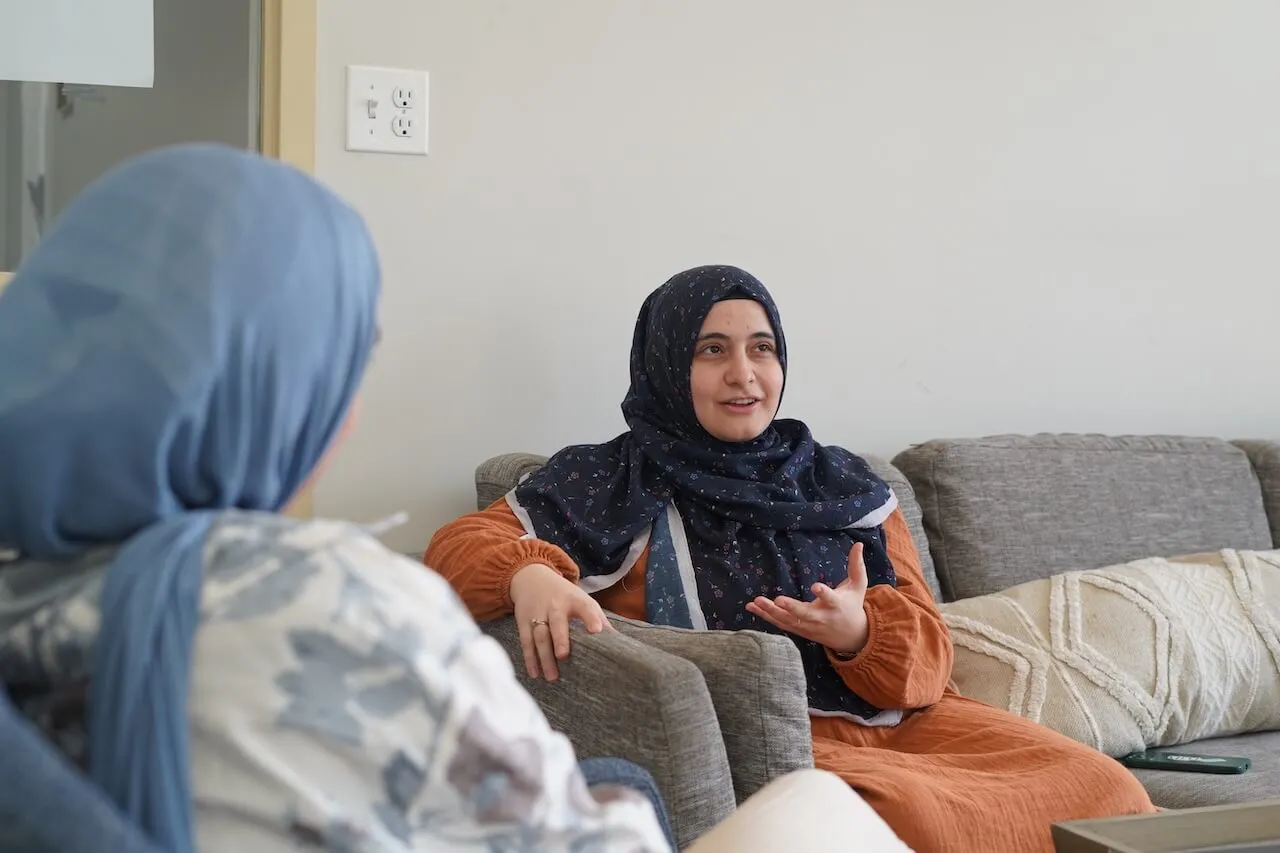
Finding the right mental health support is an important step. For many Muslims, it can be helpful to speak with a therapist who understands their faith, culture and personal values.
However, every therapist is different. The right choice will depend on your needs, preferences and circumstances. Here are some simple things to consider when looking for a Muslim therapist in the UK.
Understand What Support You Need
Start by thinking about why you are seeking support. You may be experiencing:
- Anxiety or persistent worry
- Depression or low mood
- Grief and bereavement
- Trauma
- Marriage or relationship difficulties
- Parenting challenges
- Family conflict
- Stress, burnout or low confidence
Knowing what you would like help with can make it easier to find a professional with suitable experience.
Decide Whether Faith Is Important to You
Some people specifically want a Muslim therapist. Others may be comfortable with any professional who respects and understands Islamic values.
You may want to look for:
- A Muslim therapist
- Faith-sensitive counselling
- Islamically integrated therapy
- A therapist familiar with Muslim cultures
- Support from an imam, chaplain or Islamic scholar
Faith-based support and professional therapy can sometimes work alongside one another. The most suitable option will depend on your individual situation.
Check Qualifications and Professional Registration
Before choosing a therapist, check their qualifications, experience and professional registration.
Different professionals may be registered with different UK bodies depending on their role. You should also check whether they have suitable insurance and experience in the area where you need support.
The Ummah Care verification process helps confirm key professional information submitted by practitioners. Always read the individual profile carefully before making a decision.
Consider the Practical Details
A therapist may be well qualified but still not be the right practical fit. Consider:
- Online or in-person sessions
- Location
- Languages spoken
- Session fees
- Appointment availability
- Male or female practitioner preference
- Experience working with your age group
- Accessibility requirements
Online therapy can give you access to a wider choice of Muslim therapists across the UK, while in-person support may feel more comfortable for some people.
Arrange an Initial Conversation
Many therapists offer a short introductory call before the first full session. This is an opportunity to ask questions and decide whether you feel comfortable with them.
You could ask:
- Have you supported people with similar concerns?
- What type of therapy do you offer?
- How do you include faith in your approach?
- How often would sessions take place?
- What are your fees and cancellation terms?
It is completely reasonable to speak with more than one therapist before deciding.
Take Your Time Choosing
A good therapeutic relationship should feel safe, respectful and free from judgement. You may not know immediately whether someone is right for you, but you should feel listened to and able to ask questions.
If a therapist does not feel like the right fit, you can look for someone else. Finding suitable support sometimes takes time.
Find Muslim Mental Health Support with Ummah Care
Ummah Care connects individuals and families with Muslim therapists, mental health professionals, faith leaders and support organisations.
You can search by profession, location, language and area of support to find services that meet your needs.
Start your search and find the right support for you.
Ummah Care is an independent directory and does not provide counselling or crisis services directly. If you or someone else is in immediate danger or experiencing a mental health emergency, contact emergency services or an appropriate crisis support service immediately.