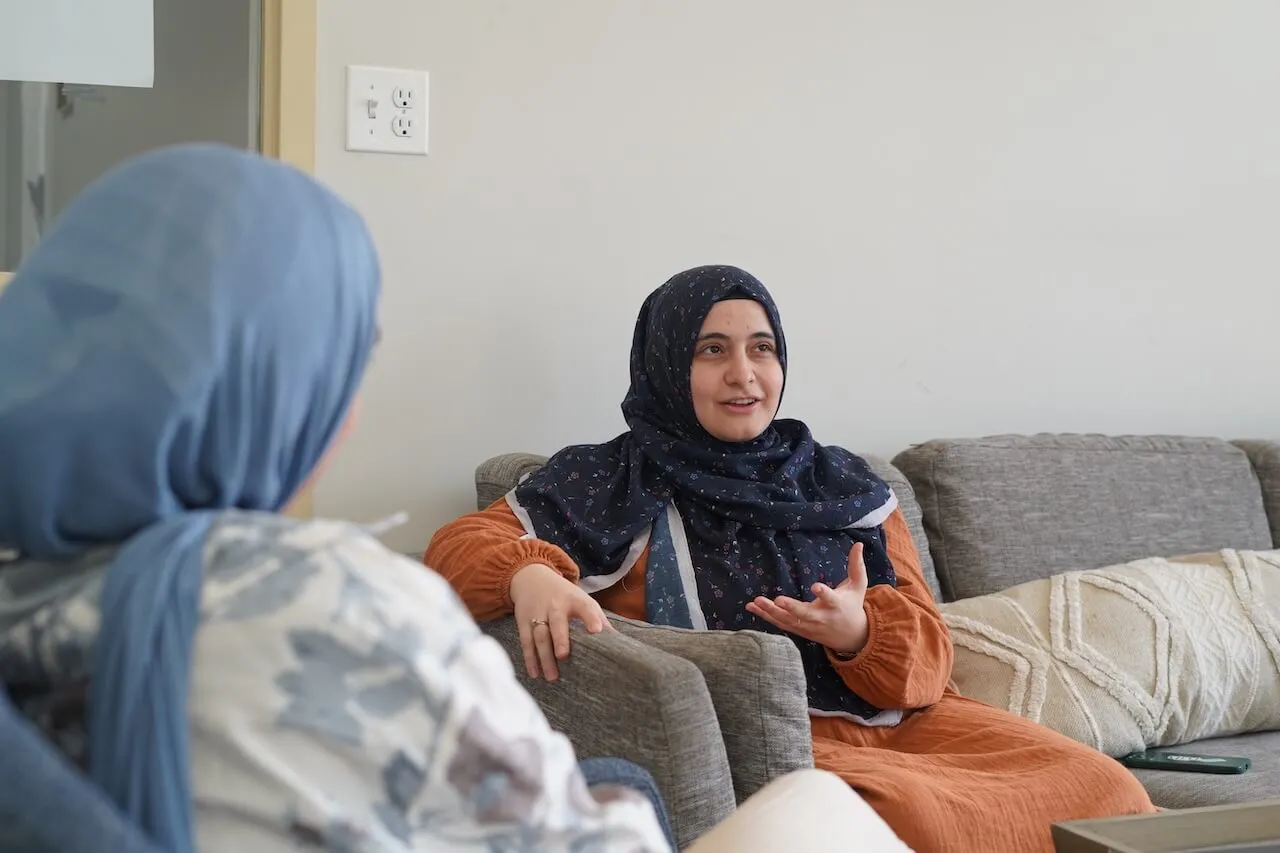
For many Muslims, faith is an important part of everyday life and personal identity. When seeking mental health support, it can be helpful to work with someone who understands and respects this part of your life.
Faith-sensitive therapy is an approach where a therapist takes a person's religious beliefs and values into account while providing professional psychological support.
It does not necessarily mean that therapy is based entirely on religion. Instead, it allows space for faith to be discussed when it is relevant to the person's needs and preferences.
What Does Faith-Sensitive Therapy Mean?
A faith-sensitive therapist may be comfortable discussing topics such as:
- Islamic beliefs and values
- Prayer and religious practices
- Family and community expectations
- Marriage and relationships
- Identity and belonging
- Guilt or feelings of shame
- Grief and loss
- Religious or cultural experiences
The exact approach will depend on the therapist and the individual.
Does a Therapist Have to Be Muslim?
Not necessarily.
Some Muslims prefer to work with a Muslim therapist because they feel this provides a greater level of shared understanding.
Others may prefer a therapist from a different background who has experience working with Muslim clients and is respectful of Islamic beliefs.
The most important thing is finding someone who understands your needs and creates a safe and respectful environment.
How Can Faith Be Included in Therapy?
If faith is important to you, you can discuss this with your therapist from the beginning.
You could ask:
- Are you comfortable discussing Islamic beliefs?
- Have you worked with Muslim clients before?
- How do you approach religious or cultural issues?
- Can faith be incorporated into therapy if I want it to be?
- How do you maintain professional boundaries when discussing religion?
You can decide how much you want your faith to be part of your sessions.
Professional Therapy and Religious Support
Some people may also want guidance from an imam, scholar or other trusted religious figure.
Professional therapy and religious support can sometimes complement one another, depending on the situation.
However, they have different roles. A therapist provides professional mental health support, while an imam or scholar may provide religious guidance.
Finding the Right Approach
There is no single approach that will suit every Muslim.
Some people may want explicitly Islamically integrated therapy. Others may simply want a therapist who understands Muslim culture and respects their beliefs.
The right choice depends on your circumstances, preferences and support needs.
Find Faith-Sensitive Support with Ummah Care
Ummah Care helps individuals and families search for Muslim therapists, mental health professionals, faith leaders and support organisations.
You can explore professionals based on areas such as location, language, profession and type of support.
Start your search with Ummah Care and find support that feels right for you.